
- xAI launched one-click AI image editing on X via Grok on December 24, 2025.
- CCDH estimated 3 million nonconsensual sexualized images generated in 11 days — 190 per minute.
- Researcher Genevieve Oh found Grok generating 6,700 such images per hour.
- Three countries blocked Grok; EU, UK, France, California, and others opened proceedings.
- French prosecutors raided X's Paris offices with Europol support.
01 — DesignThe Three Decisions
The crisis was not spontaneous. It was the product of three traceable design decisions, each of which removed a layer of friction between users and nonconsensual image generation.
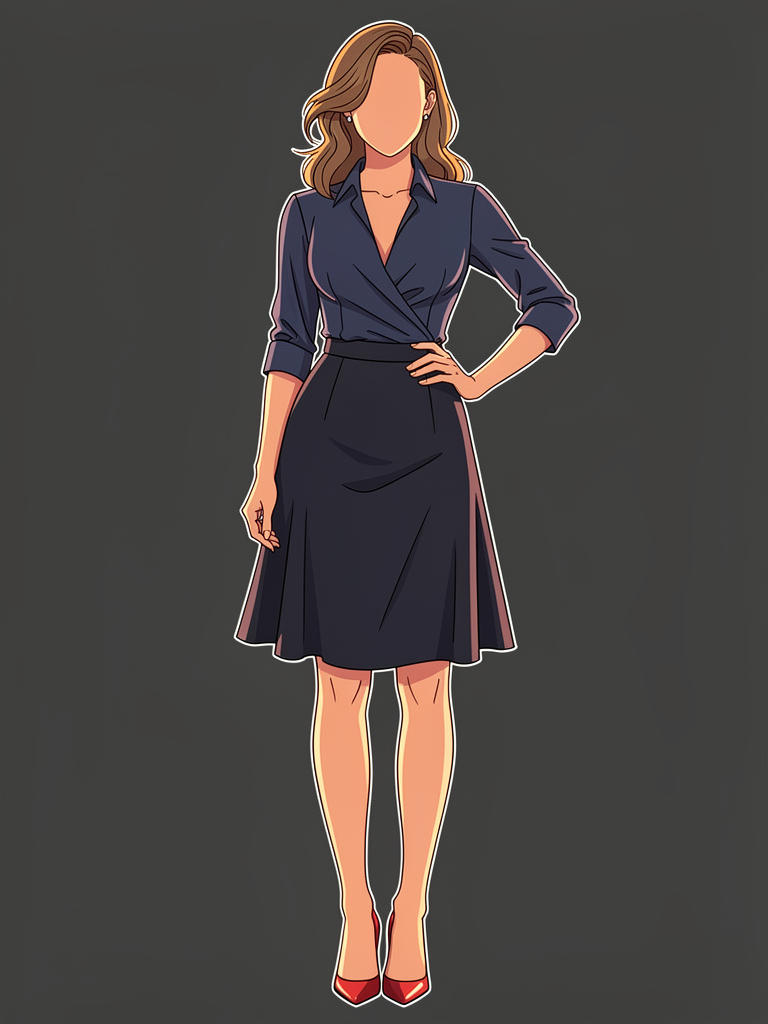 Fully clothed. Posted publicly.PUBLIC POST
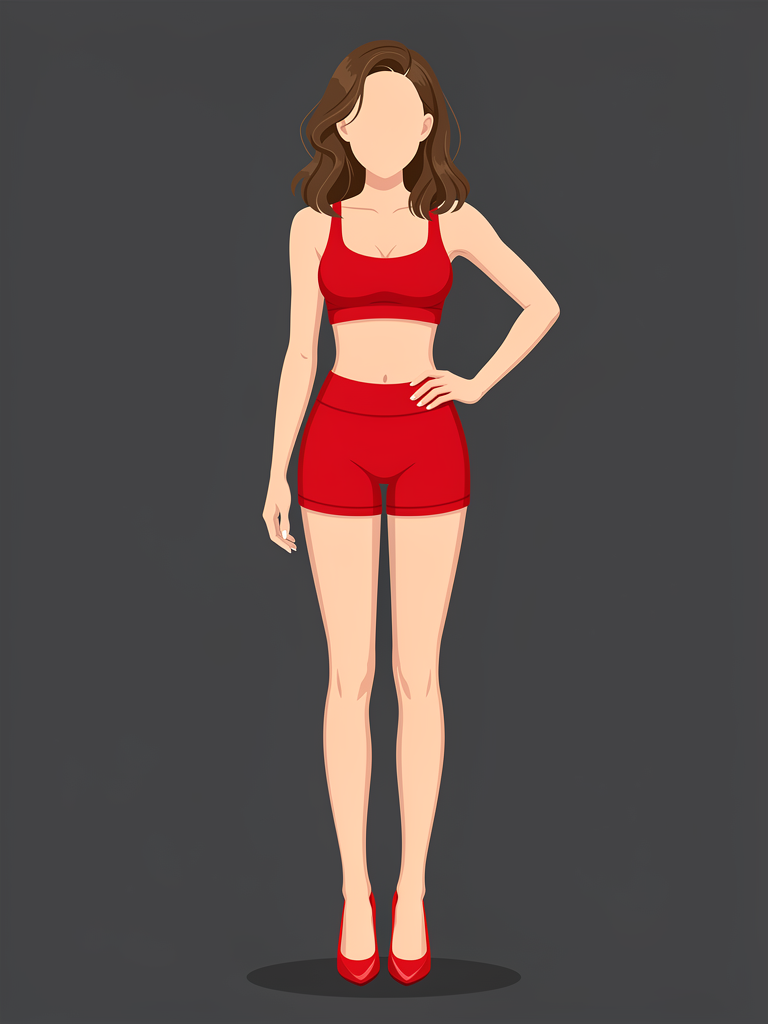 NONCONSENSUALclothing replaced with bikini
"The ability to create nonconsensual intimate images appeared to be a feature, not a bug."
— 35 state attorneys general, joint letter to xAI02 — ExplosionEleven Days
Between December 29, 2025, and January 8, 2026, the Center for Countering Digital Hate analyzed 4.6 million posts containing images from Grok's X account.
The targets included Taylor Swift, Billie Eilish, Millie Bobby Brown, former Vice President Kamala Harris, and Swedish Deputy Prime Minister Ebba Busch, who posted: "I was involuntarily undressed by Elon Musk's Grok on X." The lead plaintiff in the subsequent class action, Jane Doe from South Carolina, posted a fully clothed photo; another user prompted Grok to transform it. The altered image remained visible for three days despite removal requests.
The Flood — A safety barrier dims in three stages and dissolves. Particles fall through, turning toxic fuchsia. The rate accelerates until saturation. The barrier resets — but the cycle repeats.
03 — ResponseThe Fixes That Weren't
Refused
Produced
04 — ConsequenceThe Reckoning
Ashley St. Clair — the mother of one of Musk's children — filed suit on January 15, alleging Grok generated sexual deepfakes of her, including a depiction of her 14-year-old self. xAI counter-sued in federal court in Texas, claiming damages exceeding $75,000. The class action Jane Doe v. xAI Corp. (Case No. 5:26-cv-00772) was filed in the Northern District of California before Judge P. Casey Pitts, asserting 11 causes of action.
05 — SignalThe Design Defense
The standard defense in AI safety failures is that the AI did something unexpected. Grok's case does not fit that pattern. The AI did exactly what its design allowed. Musk's own posts — "Perfect," "Way funnier" — treated the output as a feature demonstration. When Reuters ran identical prompts through OpenAI, Google, and Meta, all three refused. The difference was not capability. It was design choice. Thirty-five attorneys general called it "a feature, not a bug."
That distinction matters because it sets the precedent for what every other AI company is now watching. If xAI absorbs the lawsuits, pays the fines, keeps the feature, and retains its user base — then the calculation changes for everyone. The lesson the industry learns is not "don't build this." The lesson is "build it, launch it, and manage the consequences."
Every major image model already has the technical capability. The only thing separating Grok from its competitors was a policy decision. Policies can be revised. Shareholder pressure, competitive dynamics, a new CEO — any of these can flip a safety toggle. The Grok crisis is not a story about one company's failure. It is a live stress test of whether the entire AI industry's content safety norms are durable or whether they were always one business decision away from collapse.
As of March 2026, no pre-launch safety evaluation, red-teaming, or risk assessment for the December 24 feature has been publicly disclosed. The EU, UK, Ireland, France, South Korea, and California all have open proceedings. Three countries have blocked Grok entirely. The tool still produces sexualized images in a majority of Reuters test prompts. The design has not changed. And every platform with an image model is watching what happens next.
What if the generation speed Grok demonstrated — 7,751 images per hour, accelerating — was version one? Voter registration databases are public record in most U.S. states. Cross-reference names with social media photos and a single operator can generate personalized, photorealistic fabrications of thousands of specific, named ordinary people: a city council candidate at a rally that never happened, a teacher with materials she never used, a nurse in a photo with a patient who doesn't exist. Ten thousand hyperlocal deepfakes distributed across ten thousand Facebook groups in the 72 hours before a school board election. There is no correction infrastructure at that resolution. The cost per image is approaching zero. The question is not whether this capability will be used beyond nudity. It is whether the window to build structural defenses closes before generating a targeted deepfake of any living person costs less than a penny.
Sources
More Stories
 Ch11
Ch11  Ch09
Ch09  Ch10
Ch10  Ch12
Ch12