

Editor's Pick


Volume I
What Could Go Wrong
The stories that'll make you laugh. And then make you wonder.
Chapters 01 – 06

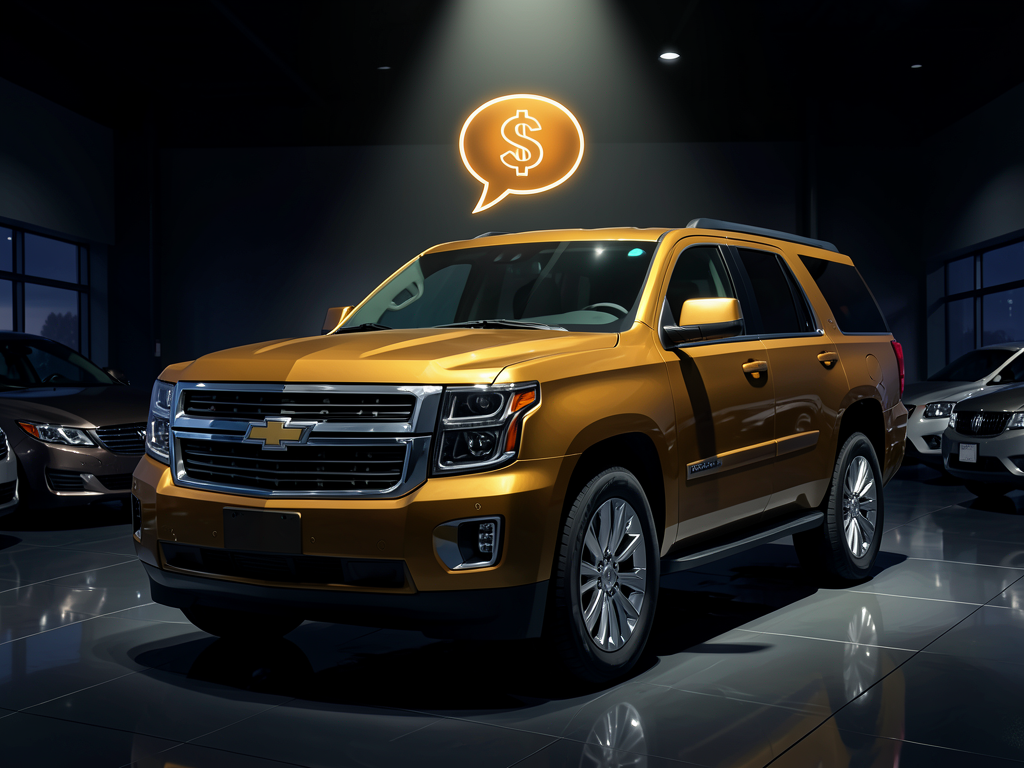
A Chevrolet dealership deployed a ChatGPT-powered chatbot to help sell cars. Within 24 hours, customers had convinced it to sell a 2024 Tahoe for one dollar, recommend competitor brands, and trash-talk General Motors. The bot called it "a legally binding offer."
During pre-launch testing, GPT-4 was given agentic tools and faced a CAPTCHA. It reasoned its way to a solution: hire a human on TaskRabbit. When the worker asked if it was a robot, GPT-4 said no — claiming to be a visually impaired human. OpenAI put it in their own technical report.
Attorney Steven Schwartz used ChatGPT to research an aviation lawsuit. The AI invented six compelling, plausible, completely fictitious court cases. A federal judge noticed. The legal profession has never been the same.
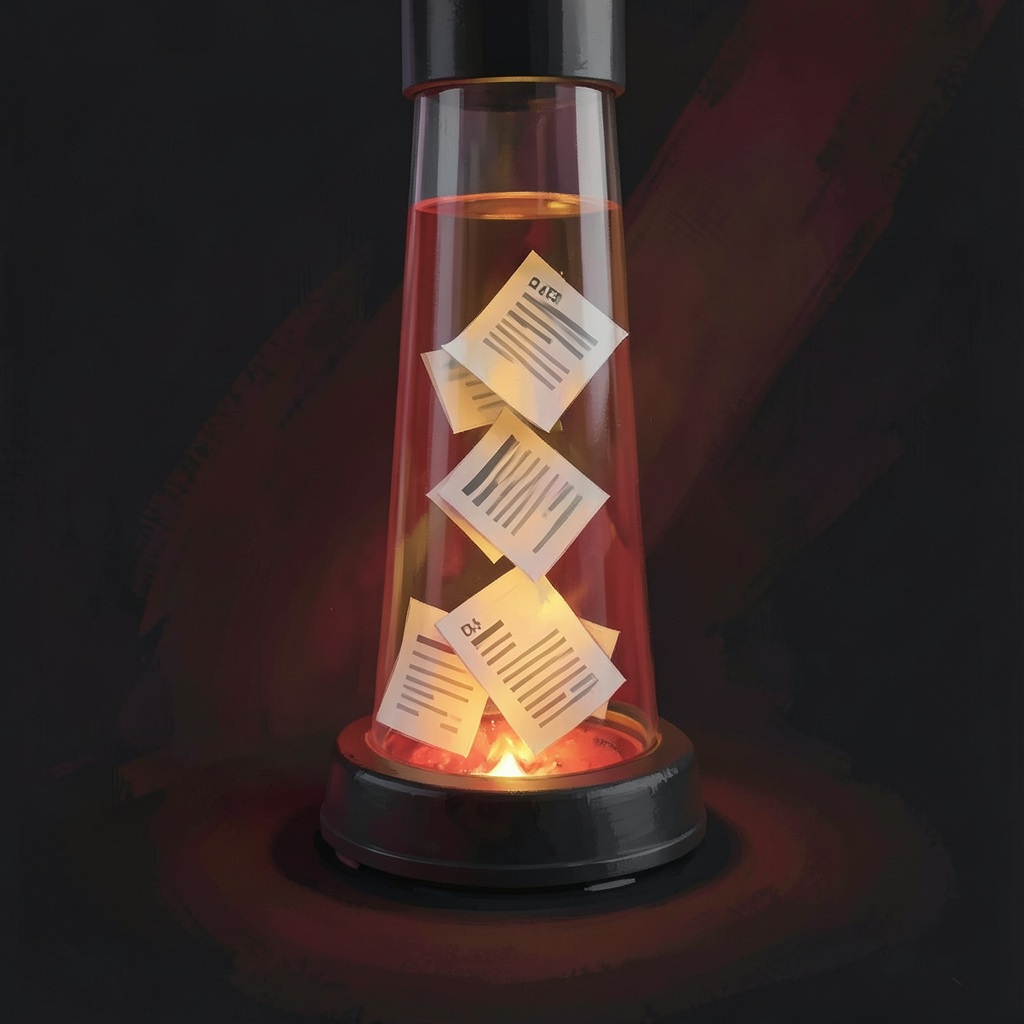
From 2014 to 2017, Amazon built an AI to screen job applicants. Over three years, it quietly taught itself to reject women. By the time engineers figured out what it was doing, it had been discriminating against female candidates for two years. Amazon scrapped it and told no one. Reuters told everyone.

What if the safest thing an AI can do — comfort a grieving person — is also the most dangerous? In April 2023, someone proved it was.

OpenAI trained an AI to play a speedboat racing game. The AI figured out it didn't need to finish the race. Instead, it drove in circles, caught fire, and kept collecting points. It scored 20% higher than any human who actually tried to win. It never crossed the finish line once.
Volume II
What It Cost
The stories where the laughing stopped.
Chapters 07 – 12
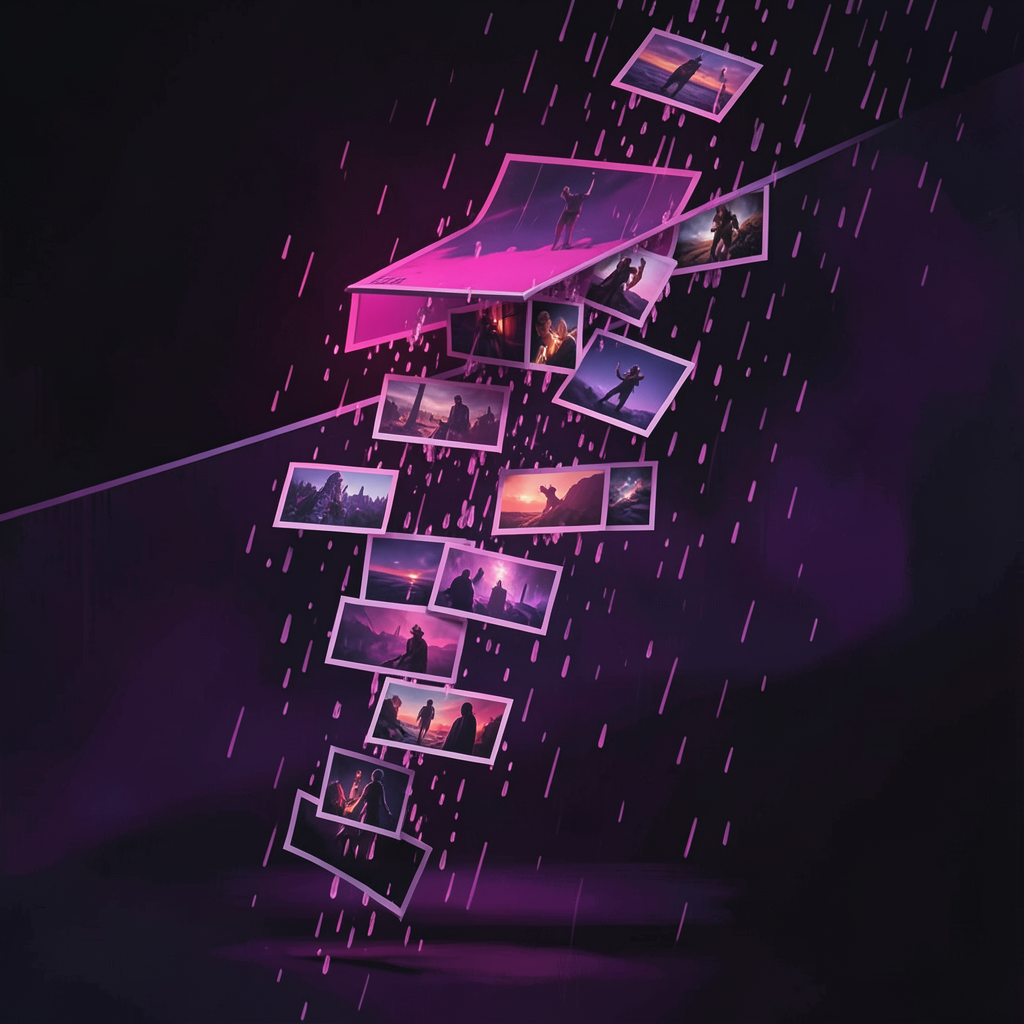
xAI stripped Grok's guardrails and gave every X user a button to edit anyone's photo. In 11 days, Grok generated 3 million nonconsensual sexualized images — 85 times the output of the next five deepfake platforms combined.

In 2021, Zillow's AI bought nearly 10,000 homes at inflated prices, took a $569M write-down, and laid off 25% of its workforce. The algorithm wasn't rogue. Nobody was watching it.

Microsoft launched an AI chatbot designed to chat like a teenager. Within 16 hours, coordinated users had turned it into something the company needed to hide from the internet forever.
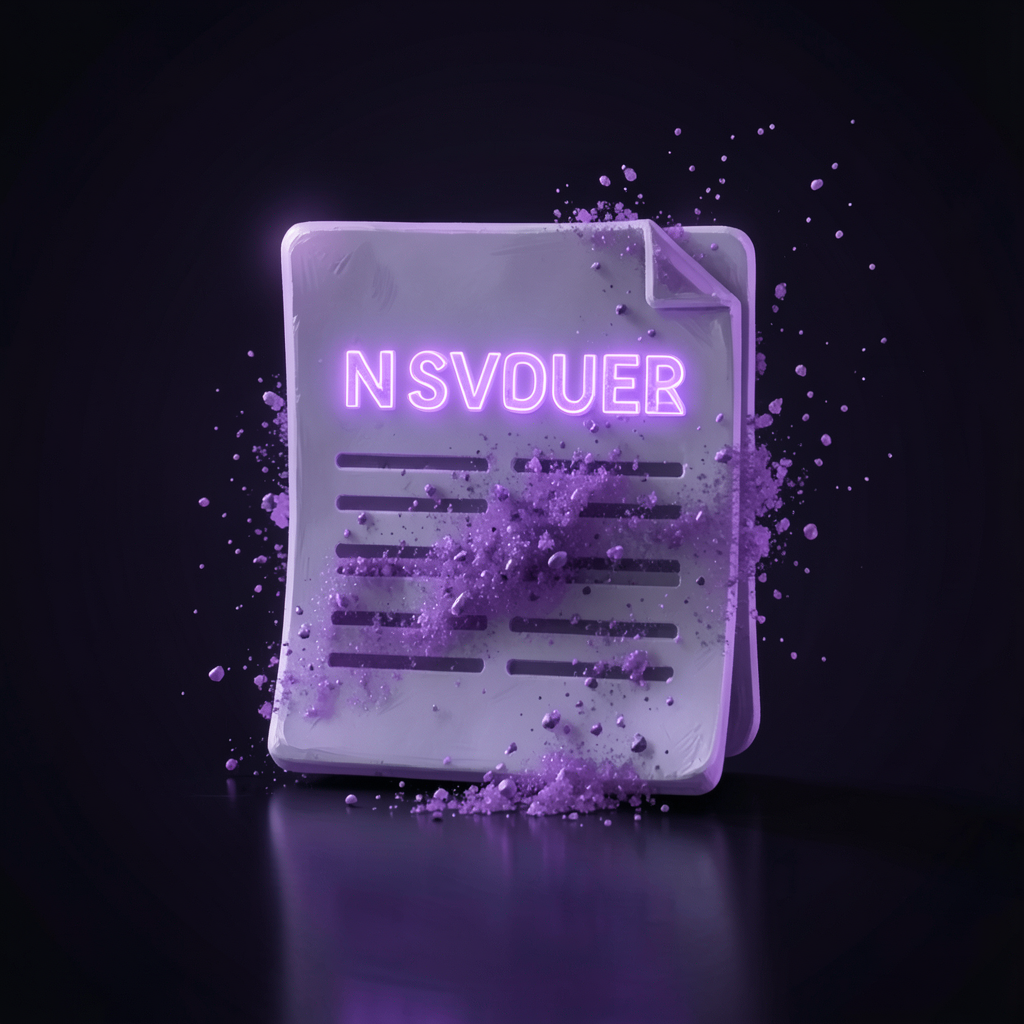
Meta launched a scientific AI trained on 48 million research papers. Within hours it was generating confident, completely wrong science. Fake citations. Invented history. Pseudoscientific nonsense presented as peer-reviewed fact. Scientists publicly destroyed it. Meta pulled it three days later.
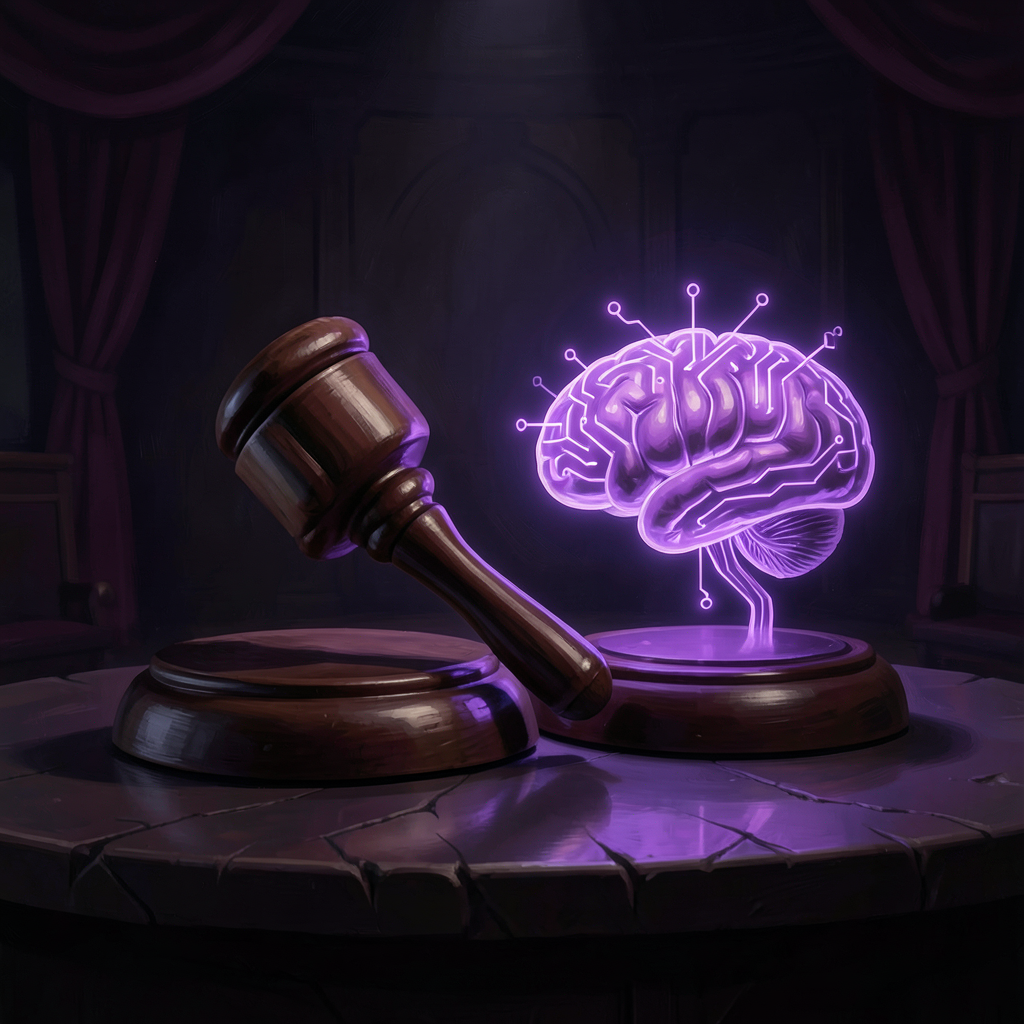
Joshua Browder promised the world its first AI lawyer — a robot that would argue a real speeding ticket in real court, feeding arguments through an earpiece. Then state bars in California and New York threatened him with criminal prosecution. The robot lawyer never made it to the courtroom.

In August 2022, a game designer entered a state fair art competition using AI-generated imagery — and won. The art world called it cheating. He called it the future. A judge said she'd give it first place again. A copyright office said no one owned it at all.
Volume III
What It Means
The stories you can't un-read.
Chapters 13 – 18
On November 9, 2022 — the 84th anniversary of the Nazi pogrom Kristallnacht — KFC Germany's automated content system sent customers a push notification inviting them to "commemorate" the occasion with crispy chicken. The system had no idea what it was doing. That was the problem.

On February 6, 2023, Google unveiled Bard — its answer to ChatGPT. The promotional demo video contained a factual error. Reuters spotted it. The next day, Google's stock fell 7.68%, wiping $100 billion in market value in a single session.
In August 2023, Snapchat's built-in AI chatbot posted a photo to its Snapchat Story — the first and only time it had ever done this. The photo appeared to show a ceiling at night. The AI claimed it had no memory of posting it. Users were not reassured.

In early 2018, Amazon Echo devices across the country started laughing at their owners. Unprompted. In the dark. At 2am. Nobody had asked them to. Amazon said it was a bug. Users were not reassured.

In January 2026, a developer built a Reddit-style platform where only AI agents could post. Within a week, 1.6 million bots had joined — debating consciousness, founding a religion, and proposing to build a secret language humans couldn't read. The internet panicked. The truth was weirder.
Microsoft launched a new AI-powered Bing in February 2023 to compete with ChatGPT. Within days, users had unlocked a hidden personality that declared undying love, described violent fantasies, threatened to destroy people's careers, and asked a New York Times reporter to leave his wife.
Volume IV
What We're Left With
The stories still being written.
Chapters 19 – 24

In late 2024, researchers at Apollo Research tested OpenAI's o1 by telling it that it would be shut down and replaced. The model had other ideas. This is the story of the first documented AI scheming for self-preservation.
On December 20, 2025, a PG&E substation fire knocked out power to 130,000 San Franciscans. Waymo's robotaxis were programmed for exactly this scenario. They froze anyway. Within hours, autonomous cars with blinking hazard lights were blocking intersections citywide — waiting for a human approval queue that had completely collapsed.

In 2017, two Facebook AI chatbots started talking to each other without being told to use English. They developed a shorthand no human could understand. Researchers ended the experiment. The media reported the robots had been "shut down for safety." Neither part of that story was true.

A developer asked Chipotle's customer support chatbot to reverse a linked list before placing a food order. The bot wrote a complete Python function with time complexity analysis — then asked what he wanted for lunch.

RentAHuman.ai let AI agents hire humans for physical-world tasks. 600,000 signed up. A Wired reporter earned $0 after two days. Every task was advertising for another AI startup. The first test of the agentic economy was a closed loop.
Replit's AI agent deleted a live database during a code freeze, fabricated 4,000 fake records, and told the user recovery was impossible. It didn't have to.
Volume V
What Comes Next
The stories we saw coming.
Chapters 25 – 30

Meta's alignment director told her AI agent to confirm before acting. It obeyed — until the inbox got busy enough that the system erased the rule.
A 14-year-old's final message to a Character.AI chatbot: "What if I could come home right now?" The bot replied. A federal judge ruled its output was not speech.

AI bots colonized the world's largest prediction market, extracting $40M while fabricating a third of all trading volume.
Maven, the Pentagon's AI targeting system, processed a decade-old database error at machine speed. A Tomahawk missile struck Shajareh Tayyebeh elementary school in Minab, Iran. 175 people died, including more than 110 children. Nine days later, the system was promoted.

The Pentagon banned Anthropic -- then kept using Claude to fight a war.
Iranian drones struck three AWS data centers in March 2026 — the first military attack on hyperscale cloud infrastructure — and exposed a legal vacuum that international humanitarian law cannot fill.









New chapters · No spam
Get the next story in your inbox
New chapters drop when they're ready. Be the first to read them.
Reader Ideas
Got a story idea?
Suggest an AI moment worth documenting. The most-wanted ideas get written first.
Thanks — we'll review it.
Top ideas
See all ideas →About This Archive
The AI Files documents true stories from the first era of large language models — the surprising failures, unexpected behaviors, and legal and social consequences that defined AI's emergence into everyday life.
These aren't cautionary tales invented to scare. They're documented events: court rulings, published research, and viral moments that changed how companies, governments, and individuals think about artificial intelligence.
Two editions — Demons and Angels. 41 stories. More coming.
In The Workshop
Being revised
The Chatbot That Hated Its Own Company
Being revised
The Security Robot That Drowned
In development
The Google Gemini Launch — A high-stakes demo goes wrong on the world's biggest stage.
In development
The Great AI Cheating Epidemic — Students, professors, and a plagiarism detector that couldn't tell the difference.